Employment disputes can involve complicated legal issues affecting employees, employers, and business owners. From workplace discrimination and unpaid wages to wrongful termination and harassment, several federal, state, and local laws may apply to an employment case in New York. Understanding these regulations is important for protecting workplace rights, maintaining compliance, and addressing legal disagreements effectively.
Understanding Employment Laws in New York
Employment cases are not governed by a single law. The applicable regulations depend on the nature of the dispute, the employer’s size, the employee’s status, and the location of the workplace.
Some of the major laws that may apply include:
- New York State Human Rights Law (NYSHRL): Protects employees and applicants against discrimination based on characteristics such as race, age, disability, religion, sex, national origin, and sexual orientation.
- New York Labor Law (NYLL): Covers wage payments, minimum wage, overtime, meal periods, payroll practices, and other workplace requirements.
- New York City Human Rights Law (NYCHRL): Provides broad protections against workplace discrimination, harassment, and retaliation within New York City.
- Title VII of the Civil Rights Act of 1964: Prohibits employment discrimination based on race, color, religion, sex, and national origin.
- Fair Labor Standards Act (FLSA): Establishes federal minimum wage, overtime pay, and recordkeeping requirements for covered employees.
- Americans with Disabilities Act (ADA): Protects qualified individuals with disabilities against employment discrimination and requires reasonable accommodations in applicable circumstances.
- Age Discrimination in Employment Act (ADEA): Protects workers aged 40 and older against age-based employment discrimination.
- Family and Medical Leave Act (FMLA): Provides eligible employees of covered employers with qualifying unpaid, job-protected leave.
Common Employment Cases and Legal Issues
An employment dispute may arise at any stage of the working relationship. Common situations include:
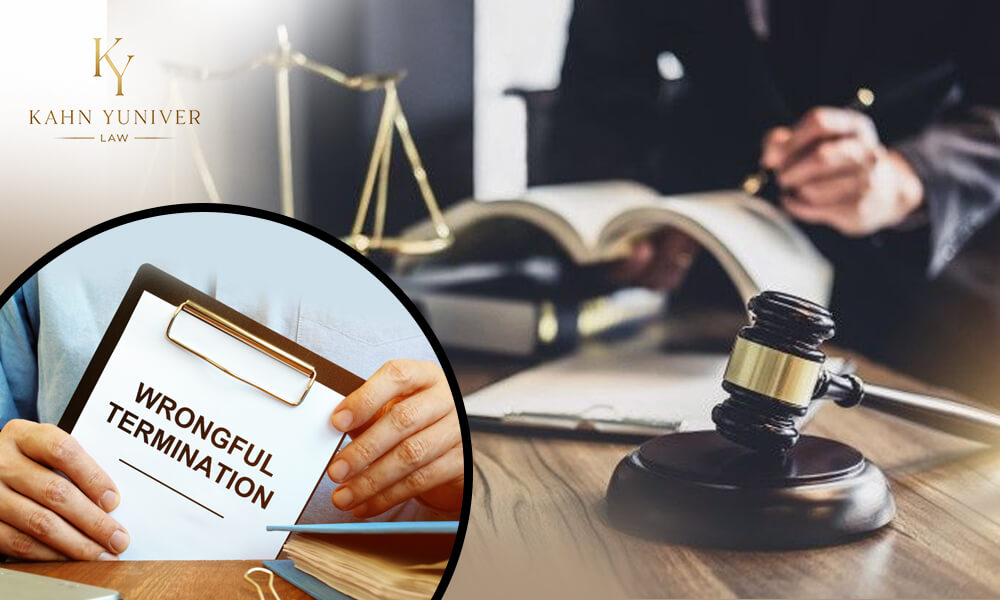
- Wrongful Termination: Employees may challenge termination involving unlawful discrimination, retaliation, or violations of applicable employment agreements.
- Unpaid Wages and Overtime: Disagreements concerning minimum wage, unpaid hours, overtime compensation, or improper deductions.
- Workplace Discrimination: Unfair treatment involving hiring, promotions, compensation, workplace policies, or termination.
- Sexual Harassment: Unwelcome workplace conduct that violates applicable employment discrimination laws.
- Retaliation Claims: Adverse employment actions taken because an individual reported workplace violations or exercised legally protected rights.
- Employment Contract Disputes: Conflicts involving compensation, restrictive covenants, severance agreements, or contractual obligations.
Why Seek an Employment Lawyer in New York?
Employment laws have different coverage requirements, filing procedures, and legal deadlines. An experienced employment lawyer in New York can evaluate the circumstances, identify potentially applicable laws, review relevant documentation, and explain available legal options.
Kahn Yuniver Law provides legal counsel and litigation support for workplace disputes and employment-related matters.
Get Legal Guidance for Your Employment Case
Whether you are an employee addressing a workplace concern or an employer managing an employment dispute, understanding applicable laws is an important first step.
Kahn Yuniver Law helps clients navigate employment-related legal challenges and evaluate appropriate strategies.
Contact Kahn Yuniver Law to discuss your employment matter and understand the legal options available to protect your rights and interests.
